Cricket has several ways for a batter to lose their wicket. Some dismissals happen when a bowler beats the batter, while others involve fielding, running between the wickets or breaking a specific rule. Understanding these dismissals helps fans follow matches, interpret scorecards and understand umpiring decisions.
Under the current MCC Laws of Cricket, 2017 Code, 4th Edition (2026), there are 10 ways a batter can be out, including retired out. The updated edition came into force on 1 October 2026. Nine dismissal methods appear under Laws 32 to 40, while retired out is covered under Law 25.4.
One important distinction is that handled the ball is no longer a separate dismissal. The 2017 Code incorporated it into obstructing the field, which explains why some older cricket guides list 11 ways of getting out.
How Many Types of Out in Cricket?
There are 10 types of out in cricket:
- Bowled
- Caught
- Hit the ball twice
- Hit wicket
- Leg before wicket (LBW)
- Obstructing the field
- Run out
- Stumped
- Timed out
- Retired out
These dismissals do not all work in the same way. Some involve a delivery hitting the stumps, while others happen when a batter is outside their ground, interferes with fielders or fails to meet the requirements for continuing an innings.
What Are the 10 Types of Out in Cricket?
The following table lists all 10 dismissals, their corresponding Law numbers and whether the bowler receives credit for the wicket under the Laws of Cricket.
| Type of dismissal | Law number | How the batter gets out | Bowler gets credit? |
|---|---|---|---|
| Bowled | Law 32 | The delivery breaks the wicket under the conditions of the Law | Yes |
| Caught | Law 33 | A fielder completes a fair catch before the ball touches the ground | Yes |
| Hit the ball twice | Law 34 | The batter unlawfully strikes the ball a second time | No |
| Hit wicket | Law 35 | The batter breaks their own wicket in a qualifying situation | Yes |
| Leg before wicket (LBW) | Law 36 | The ball hits the batter’s body and the LBW conditions are satisfied | Yes |
| Obstructing the field | Law 37 | The batter wilfully obstructs or distracts the fielding side | No |
| Run out | Law 38 | A batter is out of their ground when the wicket is fairly broken | No |
| Stumped | Law 39 | The wicketkeeper fairly breaks the wicket while the striker is outside their ground and not attempting a run | Yes |
| Timed out | Law 40 | The incoming batter fails to meet the permitted readiness deadline | No |
| Retired out | Law 25.4 | The batter retires and does not resume the innings under the applicable conditions | No |
Only five dismissal types count as wickets credited to the bowler: bowled, caught, hit wicket, LBW and stumped. The other five do not add a wicket to the bowler’s individual figures.
1. Bowled (Law 32)
Source: Cricket Australia
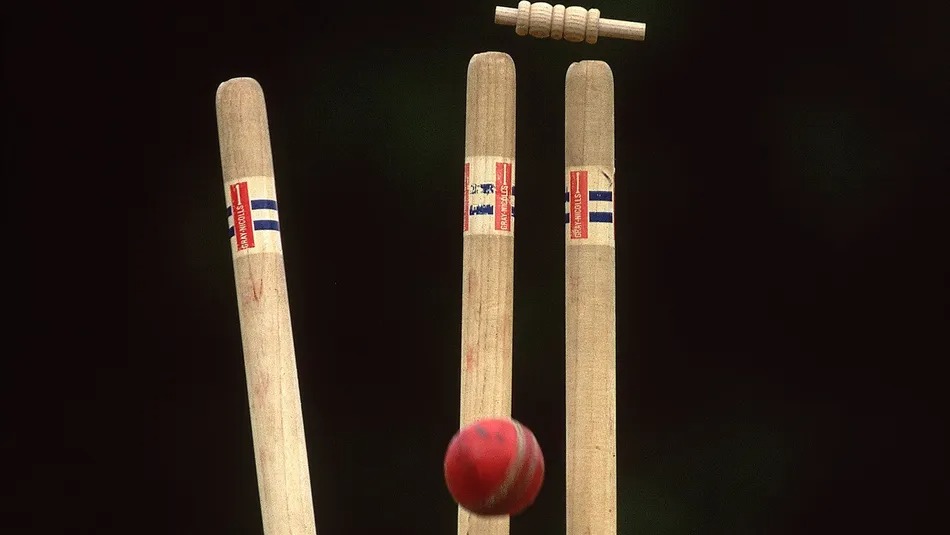
A batter is out bowled when a delivery breaks the wicket, provided the relevant conditions of Law 32 are satisfied. The delivery must not be a no ball.
This dismissal commonly occurs when the batter misses the ball completely and it hits the stumps. It can also happen when the ball takes an edge off the bat and deflects back onto the wicket.
For example, a fast bowler delivers a ball that beats the batter’s defence and knocks off a bail. The batter is out bowled, and the bowler receives credit for the wicket.
2. Caught (Law 33)
A batter is out caught when a fair catch is completed by the bowler or another fielder before the ball touches the ground. The ball can make contact with the bat or the hand or glove holding the bat for the dismissal to qualify, subject to the other conditions of the Law.
The wicketkeeper can take the catch behind the stumps, or a fielder can catch the ball in the slips, at midwicket, near the boundary or elsewhere on the field. The catch must also comply with the applicable boundary rules.
For example, a batter attempts a pull shot but sends the ball towards deep square leg. A fielder catches it cleanly before it touches the ground, and the umpire gives the batter out caught.
Caught is the most common type of dismissal in Test cricket. Historical Test records show that catches account for approximately 57% of dismissals. The bowler receives credit for a caught wicket.
3. Hit the Ball Twice (Law 34)
A batter cannot deliberately strike the ball a second time simply to gain an advantage. However, the Laws permit a second strike in certain circumstances, including when the batter acts to protect their wicket from being broken.
The permitted action must satisfy the conditions of Law 34. A batter cannot use a second strike to gain an advantage by hitting the ball again unlawfully.
For example, if a batter deliberately strikes a ball a second time with the bat to gain additional runs, the fielding side may appeal for the dismissal. Whether the batter is out depends on the circumstances and the applicable Law.
This is a rare dismissal in professional cricket. The bowler does not receive credit for a wicket when a batter is out hit the ball twice.
4. Hit Wicket (Law 35)
A batter is out hit wicket when they break their own wicket with their body or equipment in a situation covered by Law 35. The rule applies during the relevant action of receiving the ball and in certain circumstances when setting off for the first run.
The 2026 edition clarifies an important point about the end of the action of playing a shot. If a batter loses balance while playing a shot, continues to move off balance and then falls into the stumps before regaining control of their balance, they can still be out hit wicket even if the ball has already travelled away.
For example, a batter plays an aggressive shot, loses balance while completing the movement and knocks off a bail before recovering. If the incident meets the conditions of Law 35, the batter is out hit wicket.
The updated Law also clarifies circumstances involving contact with another person or an object. Such contact can affect whether the dismissal is valid, depending on the circumstances. The bowler receives credit for a hit wicket dismissal.
5. Leg Before Wicket (LBW) (Law 36)
Source: Sports Mantra
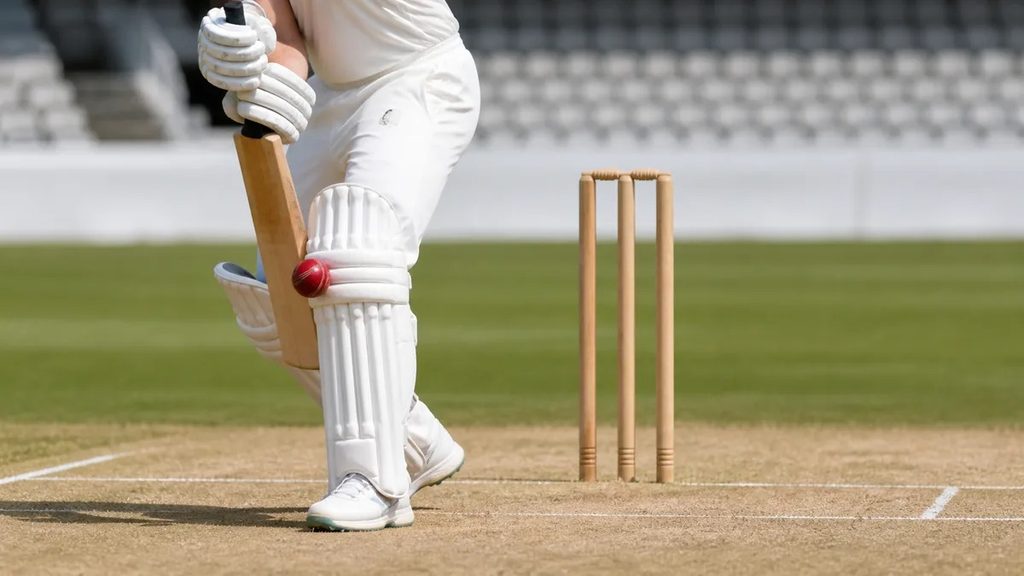
LBW stands for leg before wicket. A batter can be given out LBW when the ball hits their body rather than the bat and the conditions of Law 36 are satisfied.
The umpire considers several factors, including where the ball pitched, where it struck the batter, whether the batter attempted to play the ball with the bat and whether the delivery would have hit the stumps.
A ball hitting the pad does not automatically mean the batter is out. For example, a delivery pitching outside leg stump generally prevents an LBW dismissal. Other conditions and exceptions also apply, so the decision depends on the complete circumstances of the delivery.
For example, a right arm bowler delivers a ball that pitches in line with the stumps. The batter misses the shot, and the ball strikes the pad in front of the wicket on a trajectory that would have hit the stumps. If the remaining conditions are satisfied, the umpire can give the batter out LBW.
The bowler receives credit for this dismissal.
6. Obstructing the Field (Law 37)
A batter can be dismissed for obstructing the field if they wilfully obstruct or distract the fielding side through their actions or words while the ball is in play. The exact circumstances must meet the requirements of Law 37.
The Law also covers certain actions involving the ball, including deliberately handling it with a hand that is not holding the bat in circumstances covered by the rule.
Before the 2017 Code, handled the ball was a separate method of dismissal. It was subsequently incorporated into obstructing the field, so it should not be counted as an additional dismissal today.
For example, a batter deliberately changes their movement to prevent a fielder from completing a run out. If the action meets the conditions of Law 37, the batter can be given out obstructing the field.
Accidental contact or movement to avoid injury does not automatically result in a dismissal. The umpire must assess the incident under the relevant Law.
The bowler does not receive credit for this wicket.
7. Run Out (Law 38)
A batter is out run out when they are outside their ground and the wicket is fairly broken while the ball is in play, subject to the conditions of Law 38.
This often happens when a batter attempts a run but fails to reach the crease before a fielder breaks the wicket. Either batter can be run out, and a run does not have to be attempted in every situation for a run out to occur.
A familiar example involves the non striker leaving the crease too early before the bowler releases the ball. If the bowler fairly breaks the wicket while the relevant conditions are met, the non striker can be dismissed run out. This is officially classified as a run out, not as a separate dismissal.
The 2026 edition also clarifies requirements relating to how a fielder breaks the wicket with the hand or arm while holding the ball. When the wicket is broken by the fielder’s hand or arm, the ball must be held with complete control in the palm or fingers, or in the wicketkeeper’s glove. This does not mean that every run out requires the fielder to hold the ball in their hand: a ball that strikes the stumps and dislodges the bails can still break the wicket fairly.
A run out does not count as a wicket credited to the bowler.
8. Stumped (Law 39)
A batter can be out stumped when the striker is outside their ground, is not attempting a run and the wicketkeeper fairly breaks the wicket under the conditions of Law 39.
This often happens when a batter advances down the pitch to attack a spin bowler, misses the delivery and cannot return behind the crease before the wicketkeeper removes the bails.
For example, a batter steps forward to drive a spinner but misses the ball. The wicketkeeper collects it cleanly and breaks the wicket while the batter remains outside the ground and is not attempting a run. If the conditions of the Law are satisfied, the umpire gives the batter out stumped.
Stumping differs from run out because the striker must not be attempting a run. The bowler receives credit for a stumped dismissal.
9. Timed Out (Law 40)
A batter can be dismissed timed out if the incoming batter fails to meet the permitted deadline for being ready to receive the next delivery after a wicket falls or a batter retires. The fielding side must appeal, and the umpire applies the relevant playing conditions.
Under Law 40.1.1 of the MCC Laws, the incoming batter must be ready within three minutes, unless Time has been called. International playing conditions can set a shorter deadline. Under the relevant men’s international conditions, the limits have been two minutes in Tests and ODIs and 90 seconds in T20Is. The applicable competition rules should always be checked.
A well known example occurred during the 2023 ICC Men’s Cricket World Cup match between Sri Lanka and Bangladesh. Sri Lanka batter Angelo Mathews became the first player to be dismissed timed out in international cricket. After arriving at the crease, he experienced a problem with his helmet strap and requested a replacement. Bangladesh appealed, and the umpires upheld the appeal under the tournament’s two minute requirement.
The incident showed how a batter can lose a wicket without facing a delivery. The bowler does not receive credit for a timed out dismissal.
10. Retired Out (Law 25.4)
Source: NDTV Sports
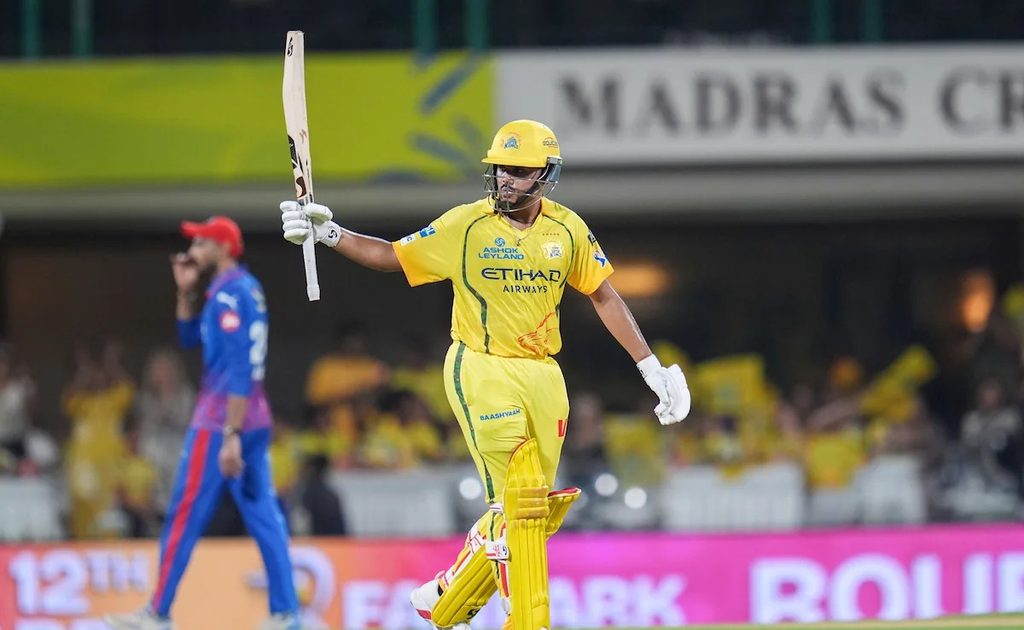
Retired out occurs when a batter retires from an innings for a reason other than injury, illness or another applicable exception and does not resume batting under the conditions of the Laws.
Under Law 25.4, a batter who retires for a reason other than injury or illness may resume their innings only with the opposing captain’s consent. If the batter does not resume, they are recorded as retired out. The opposing captain’s refusal to allow a return is not, by itself, the definition of the dismissal; the key point is that the batter does not resume the innings.
This differs from retired hurt, where a batter leaves the field because of injury or illness and can generally return when fit, subject to the applicable conditions.
Retired out is sometimes used as a tactical decision in limited overs cricket, particularly when a team wants to bring in another batter better suited to the match situation. It is not a wicket credited to the bowler.
Which Types of Out Count as a Bowler’s Wicket?
Only five of the 10 dismissal types count as wickets credited to the bowler:
- Bowled: The delivery breaks the wicket under the conditions of Law 32.
- Caught: A fielder completes a fair catch under Law 33.
- Hit wicket: The batter breaks their own wicket in a qualifying situation under Law 35.
- LBW: The batter is dismissed under the conditions of Law 36.
- Stumped: The wicketkeeper completes a valid stumping under Law 39.
The remaining dismissals are hit the ball twice, obstructing the field, run out, timed out and retired out. None is credited to the bowler.
This distinction matters when reading a cricket scorecard. A team can lose 10 wickets even though the bowlers’ individual wicket totals add up to fewer than 10 because some dismissals are not credited to them.
Is Handled the Ball Still a Type of Out in Cricket?
No. Handled the ball is no longer an independent method of dismissal under the current Laws of Cricket.
The 2017 Code incorporated the relevant circumstances into obstructing the field, now covered by Law 37. Older cricket guides may list 11 types of out because they count handled the ball separately from obstructing the field.
The current count remains 10, including retired out under Law 25.4. The MCC’s 2017 Code, 4th Edition (2026), which came into force on 1 October 2026, retains this classification.
Is Retired Hurt the Same as Retired Out?
No. Retired hurt and retired out have different meanings under the Laws of Cricket.
A batter may retire hurt because of injury or illness. They can generally return to continue their innings when fit, subject to the applicable conditions. Retired hurt is not itself a dismissal.
Retired out applies when the batter retires in circumstances that do not qualify for the relevant exceptions and does not resume the innings. A batter retiring for a reason other than injury or illness needs the opposing captain’s consent to resume. If they do not return, the innings is recorded as retired out.
This is why retired hurt is not counted as an eleventh way of getting out.
Conclusion
There are 10 ways to be out in cricket under the current Laws of Cricket, including retired out. The list covers familiar dismissals such as bowled, caught and LBW, as well as less common cases such as hit the ball twice, obstructing the field and timed out.
The Law numbers provide a clear reference for each dismissal, from Law 32 for bowled to Law 40 for timed out, with retired out covered by Law 25.4. The bowler receives credit for only five dismissal types: bowled, caught, hit wicket, LBW and stumped.
Handled the ball is no longer a separate dismissal, and retired hurt does not count as being out. Knowing these distinctions makes cricket rules, scorecards and umpiring decisions easier to understand.
FAQs
There are 10 ways to be out under the current Laws of Cricket when retired out is included. Nine are covered by Laws 32 to 40, and retired out is covered by Law 25.4.
Caught is the most common type of dismissal in Test cricket. Historical Test records show that catches account for approximately 57% of dismissals, followed by bowled at around 21% and LBW at around 14%. The proportions vary by format and period.
Five types count as wickets credited to the bowler: bowled, caught, hit wicket, LBW and stumped. Run out, hit the ball twice, obstructing the field, timed out and retired out do not count towards the bowler’s individual wicket tally.
Yes. A batter can be dismissed in certain ways on a no ball, including run out, hit the ball twice and obstructing the field, provided the conditions of the relevant Laws are met. Common dismissals such as bowled, caught, LBW, stumped and hit wicket cannot normally be given from a no ball.
No. Handled the ball was incorporated into obstructing the field under the 2017 Code. It is not counted as a separate dismissal under the current Laws.
A batter who retires hurt because of injury or illness can generally return to the innings when fit, subject to the applicable conditions. A batter who retires out and does not resume the innings is recorded as dismissed. Resuming after retirement for a reason other than injury or illness requires the opposing captain’s consent.