The Ranji Trophy began in the 1934 to 35 season as India’s national first class cricket championship. Anthony de Mello proposed the competition at a BCCI meeting in Shimla in July 1934. The inaugural edition featured 15 teams, and Bombay became the first champion after defeating Northern India in the final.
The tournament was named after Kumar Shri Ranjitsinhji, an Indian born cricketer who represented England. From its original four zonal groups to its modern domestic structure, the Ranji Trophy has played an important role in developing Indian cricket and providing opportunities to generations of players.
When Did the Ranji Trophy Start?
The Ranji Trophy started in 1934, with its first season running from 4 November 1934 to 12 March 1935. The opening match was played between Madras and Mysore at Chepauk in Madras, now Chennai. Madras won the match by an innings and 23 runs.
The competition was initially known as the Cricket Championship of India. Before the second season in 1935 to 36, it was renamed the Ranji Trophy in honour of Ranjitsinhji. Bombay won the inaugural championship by defeating Northern India by 208 runs in the final.
Who Founded the Ranji Trophy?
Source: Homegrown
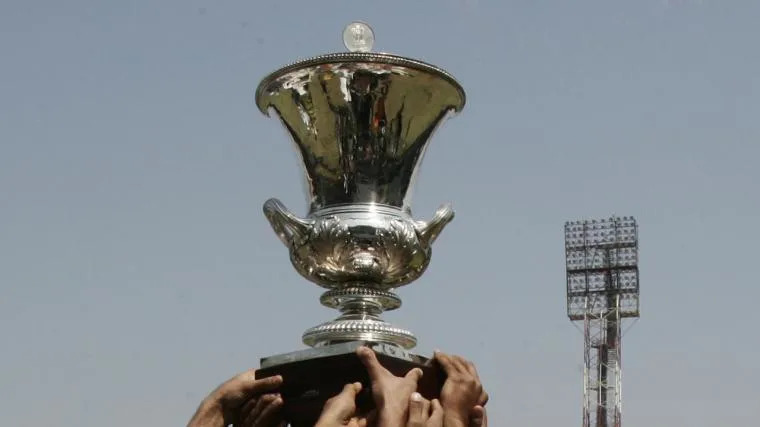
Anthony de Mello, one of the founders of the Board of Control for Cricket in India, proposed a national first class cricket championship at a BCCI meeting in Shimla in July 1934. His proposal included a sketch of the trophy, designed as a Grecian urn with a lid and a figure representing Father Time.
The Maharaja of Patiala, Bhupinder Singh, supported the proposal and offered to donate the trophy. He also suggested naming the competition after Ranjitsinhji, who had died in 1933. The proposal was accepted, and the trophy design submitted by de Mello became the symbol of India’s domestic first class championship.
Why Is the Ranji Trophy Named After Ranjitsinhji?
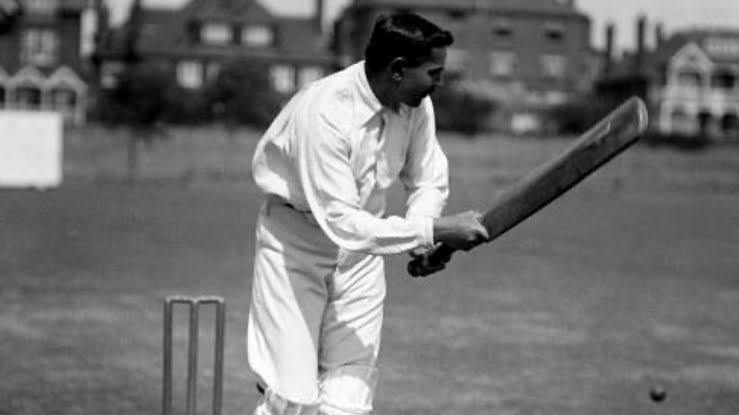
The Ranji Trophy is named after Kumar Shri Ranjitsinhji, popularly known as Ranji. He was one of the most influential cricketers of his era and represented England in international cricket.
Some important details about Ranjitsinhji include:
- Full name: Kumar Shri Ranjitsinhji Vibhaji Jadeja.
- Test career: Represented England in 15 Test matches between 1896 and 1902.
- Historic achievement: Became the first person of Indian origin to play Test cricket.
- Batting style: Became famous for strokes such as the leg glance and late cut.
- Royal position: Became the Maharaja of Nawanagar in 1907.
- Date of death: Passed away on 2 April 1933, before the Ranji Trophy was established.
His achievements made him an important figure in cricket history. The Maharaja of Patiala suggested naming India’s domestic championship after him, and the competition adopted the Ranji Trophy name before its second season.
There is also a direct connection between Ranjitsinhji and the tournament’s early history. Nawanagar, the state he ruled, won the Ranji Trophy in the 1936 to 37 season, two years after the competition began.
How Was the First Ranji Trophy Season Played?
The inaugural Ranji Trophy season featured 15 teams divided into four geographical zones: North, South, East and West. Matches were played in a knockout format within this zonal structure, with winning teams progressing towards the later rounds.
The tournament began on 4 November 1934, when Madras faced Mysore at Chepauk. Madras won by an innings and 23 runs. The match finished just five minutes before the scheduled close of play on the first day.
It remains the only match in Ranji Trophy history completed in a single day’s play.
The inaugural season continued until 12 March 1935. Out of 13 matches, only three produced a result. Bombay eventually won the championship by defeating Northern India by 208 runs in the final at Bombay Gymkhana.
What Was the Connection Between the Bombay Quadrangular and the Ranji Trophy?
Before the Ranji Trophy was introduced, the Bombay Quadrangular was one of the prominent cricket competitions in India. It developed from the Bombay Presidency matches and featured teams representing different communities and regional groups.
However, there was a growing need for a national championship that could bring provincial cricket teams from across India into one competition. The Ranji Trophy addressed this requirement by providing a wider platform for regional teams to compete for a recognised first class title.
The transition from the Bombay Quadrangular to the Ranji Trophy marked an important development in Indian domestic cricket. Instead of focusing mainly on competitions in Bombay, the new championship brought teams from different parts of the country into a national tournament.
How Has the Ranji Trophy Format Changed Over the Years?
The Ranji Trophy has undergone several changes since its introduction, but geographical zones have been part of its structure from the beginning. The inaugural season in 1934 to 35 featured 15 teams divided into four zones. The Central Zone was added later, in the 1952 to 53 season.
The competition initially followed a knockout format within the zones. Over time, organisers introduced league matches and changed the qualification rules to accommodate more participating teams.
Major developments in the tournament’s format include:
- 1934 to 35: The inaugural season began with 15 teams divided into four geographical zones.
- 1935 to 36: The competition continued under the Ranji Trophy name.
- 1952 to 53: Central Zone was added to the existing zonal structure.
- 1957 to 58: A league system within the zones replaced the earlier knockout approach for the initial stage.
- 1970 to 71: The top two teams from each zone qualified for the knockout stage.
- 1992 to 93: Qualification expanded to the top three teams from each zone.
- 2002 to 03: The BCCI introduced separate Elite and Plate divisions.
- 2020 to 21: The tournament was not held because of the COVID 19 pandemic.
These changes helped the Ranji Trophy accommodate more teams and create a clearer qualification system. The tournament continued to retain its first class format while adjusting the group structure and knockout stages.
Which Teams Dominated the Early Ranji Trophy Era?
Bombay, now known as Mumbai, established itself as the dominant team during the early decades of the Ranji Trophy. After winning the inaugural championship in 1934 to 35, Bombay also claimed the following two titles.
Its strongest period came between the 1958 to 59 and 1972 to 73 seasons, when the team won 15 consecutive championships. This long run established Bombay as the most successful side in the competition and made it a major centre of Indian domestic cricket.
Other teams also developed strong records over time. Karnataka, Delhi, Baroda and Bengal became regular contenders, while Saurashtra and Vidarbha later established themselves as championship winning teams.
How Did Ranjitsinhji’s Legacy Influence Indian Cricket?
Ranjitsinhji’s contribution to cricket extended beyond his international career. His batting style brought attention to the technical skill and creativity of Indian players during an era when opportunities for them in international cricket were limited.
His legacy is particularly associated with:
- Batting innovation: His use of the leg glance and late cut influenced batting technique.
- International recognition: His performances for England established him as a prominent cricketer of Indian origin.
- Historical significance: He became the first person of Indian origin to represent a Test playing nation.
- Domestic cricket legacy: The Ranji Trophy was named in his honour, connecting his achievements with India’s national first class championship.
The tournament’s naming recognised his place in cricket history. Nawanagar, the state he ruled as Maharaja, also won the championship in 1936 to 37, adding another connection between his legacy and the competition.
How Has the Ranji Trophy Shaped Modern Indian Cricket?
The Ranji Trophy remains an important part of India’s cricket development system. It gives players an opportunity to compete in multi day matches and demonstrate their ability to handle long innings, difficult bowling conditions and changing pitches.
The tournament contributes to Indian cricket in several ways:
- Player development: Batters learn to build long innings, while bowlers develop control, accuracy and endurance.
- National selection: Consistent domestic performances can help players earn opportunities with India A and the senior Indian team.
- Regional representation: Teams represent states and cricket associations, creating opportunities for players from different parts of India.
- Match experience: Cricketers learn to handle long spells, changing pitch conditions and pressure situations.
- Test cricket preparation: The first class format develops patience, technique and the ability to perform across multiple days.
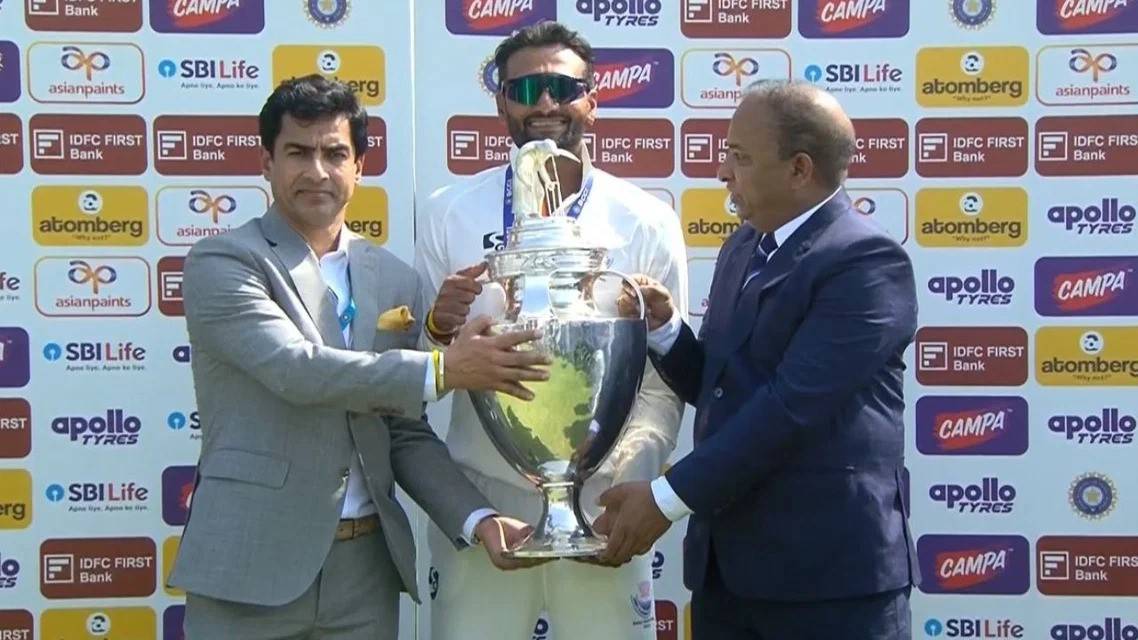
The competition continues to produce new champions. Jammu and Kashmir won their maiden Ranji Trophy title in the 2025 to 26 season after the final against Karnataka ended in a draw. They secured the championship on the basis of their first innings lead, marking a major achievement in the team’s domestic cricket history.
For the current season’s competition structure, Elite and Plate divisions, points system and complete title records, see our main Ranji Trophy guide.
Conclusion
The Ranji Trophy started in the 1934 to 35 season after Anthony de Mello proposed a national cricket championship at a BCCI meeting in Shimla. Its inaugural edition featured 15 teams divided into four geographical zones, and Bombay won the first title by defeating Northern India in the final.
Named after Ranjitsinhji at the suggestion of the Maharaja of Patiala, the tournament has evolved through several changes in its format and team structure. From the original zonal knockout system to the modern domestic competition, the Ranji Trophy has remained an important part of Indian cricket. More than nine decades after its introduction, it continues to provide a platform for emerging players and established domestic teams.
FAQs
The Ranji Trophy started in the 1934 to 35 season. Its first match was played on 4 November 1934 between Madras and Mysore at Chepauk in Chennai.
Anthony de Mello proposed a national first class cricket championship at a BCCI meeting in Shimla in July 1934. He also submitted a sketch of the trophy with his proposal.
Bhupinder Singh, the Maharaja of Patiala, offered to donate the trophy. He also suggested naming the competition after Ranjitsinhji.
Bombay, now known as Mumbai, won the inaugural Ranji Trophy in 1934 to 35. The team defeated Northern India by 208 runs in the final.
Fifteen teams participated in the inaugural 1934 to 35 season. They were divided into four geographical zones: North, South, East and West.
Madras and Mysore played the first Ranji Trophy match on 4 November 1934 at Chepauk. Madras won by an innings and 23 runs.